
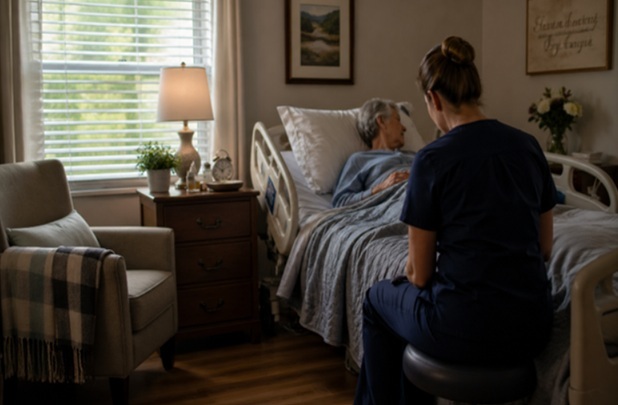
Families often begin searching for support after a difficult moment, like a sleepless night, unmanaged pain, or a sudden decline. Even those researching options like hospice care in Tulsa, OK, are usually trying to answer the same question: “How do we keep our loved one comfortable at home?”
In Tulsa, we see this shift when pain begins to interfere with daily life. A parent who once managed with occasional medication may begin needing round-the-clock relief. Without proper support, pain can quickly lead to anxiety, agitation, and even withdrawal from family interaction.
Hospice care changes that experience. It brings structure, consistency, and expertise into the home, so pain is not just treated, but anticipated and managed.
Why Pain at Home Often Goes Uncontrolled Without Hospice
Many families assume they can manage pain with prescriptions alone. The reality is more complex.
Pain in serious illness is not static. It fluctuates throughout the day and is influenced by movement, stress, appetite, and disease progression. Without guidance, families often fall into patterns that unintentionally make things worse:
- Waiting too long between doses, allowing pain to spike
- Hesitating to give medication due to fear of overuse
- Missing early signs of discomfort, especially in patients who struggle to communicate
We often see that by the time families ask for help, their loved one is already in a cycle of breakthrough pain. This is harder to control and more distressing for everyone involved.
Hospice care addresses this early by developing a proactive plan rather than reacting to emergencies.
How Hospice Teams Build a Personalized Pain Plan
Hospice care teams understand that pain management is not one-size-fits-all. It starts with understanding the person, not just the diagnosis.
A typical hospice plan includes:
- Scheduled medications to maintain consistent comfort levels
- Breakthrough medications for sudden increases in pain
- Non-medication approaches like repositioning, massage, and calming routines
- Ongoing adjustments based on daily observations
What makes this effective is the frequency of reassessment. Hospice nurses don’t just visit and leave instructions. They monitor patterns, educate families, and adjust care quickly when something changes.
For example, if a patient begins avoiding certain movements, that is often an early sign of increasing pain. Addressing it immediately can prevent a full decline in mobility.
The Hidden Emotional Side of Pain Management
Pain is not purely physical. We often see emotional distress show up as physical discomfort.
Patients may feel:
- Fear about what is happening to their body
- Anxiety about being a burden
- Frustration from losing independence
This emotional layer can intensify pain signals. Hospice teams are trained to recognize this connection.
By introducing calm routines, consistent caregivers, and emotional support, we often see a noticeable reduction in reported pain levels. Sometimes what looks like worsening symptoms is actually untreated anxiety.
Families are often surprised by how much comfort improves when both physical and emotional needs are addressed together.
How Hospice Supports Family Caregivers in Real Time
One of the biggest challenges families face is uncertainty. They constantly ask themselves whether they are doing the right thing.
Hospice removes that guesswork. During end-of-life care at home, families often need reassurance and guidance to feel confident in daily caregiving decisions.
Instead of reacting alone, families have:
- A nurse they can call when symptoms change
- Clear instructions on when and how to give medication
- Guidance on what is normal and what needs attention
This support matters most during difficult moments. Pain often worsens at night or during transitions, such as bathing or repositioning. Without guidance, these moments can feel overwhelming.
With hospice, families know what to expect and how to respond. That confidence changes the entire caregiving experience.

What Happens When Pain Is Managed Early vs Delayed
Timing plays a critical role in hospice care.
When pain is addressed early:
- Patients stay more engaged with family
- Appetite and sleep are often better maintained
- Mobility declines more gradually
When care is delayed:
- Pain becomes harder to control
- Emergency interventions become more likely
- Emotional stress increases for both the patient and the family
We often hear families say they wish they had started sooner. Not just because of the medical care, but because of the peace of mind it brings.
Creating a Calm, Comfortable Environment at Home
Hospice care is not just about medication. It is about shaping the entire environment to support comfort.
Small changes can have a big impact:
- Adjusting lighting to reduce agitation
- Using supportive cushions to prevent pressure pain
- Creating quiet routines that reduce overstimulation
These details are often overlooked until a hospice team steps in. Once implemented, families notice a shift. The home feels calmer, and the patient appears more at ease.
Knowing When It’s Time to Ask for Help
One of the hardest decisions families face is timing. Many wait for a clear “breaking point,” but hospice is most effective before things reach a crisis.
You may want to consider support if:
- Pain is becoming harder to control with current medications
- Your loved one is withdrawing from daily activities
- Caregiving is starting to feel physically or emotionally overwhelming
If you’re unsure, hospice care support at home can help families better understand what level of care is appropriate right now, without pressure to make immediate decisions.
For families navigating increasing care needs, exploring in-home end-of-life support options can provide clarity on what daily care could look like with professional guidance.
Compassionate Hospice Care Support for Families at Home
Pain management at home does not have to be uncertain or overwhelming. With the right support, it becomes structured, responsive, and compassionate.
At Rivercross Healthcare, we believe comfort is not just about reducing pain. It is about helping families feel steady, informed, and supported through every stage of care.
Whether you are researching options locally or exploring ways to create a calm hospice space at home, the goal remains the same: keeping your loved one comfortable, respected, and at peace in the place they call home. Call (877) 291-9690 today to learn how hospice care can support your family at home.