
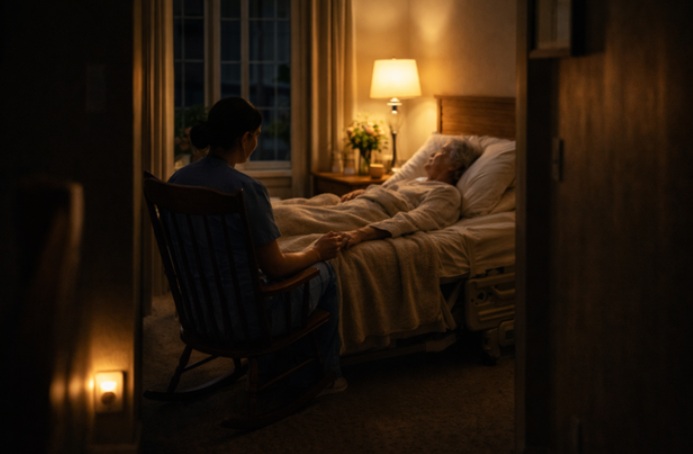
Caring for a loved one facing a serious illness brings many challenges, and restful sleep is often the first thing to do. For those exploring hospice care in Tulsa, OK, sleep difficulties can be overwhelming for patients and their families alike. Gentle, well-structured routines, tailored with compassion and experience, are at the heart of effective hospice support, making peaceful nights more attainable even in the hardest moments.
Building Calming Bedtime Rituals That Truly Work
Quality sleep is rarely a single solution; it’s more about setting up a scene that soothes both body and mind. Hospice professionals draw on deep knowledge to create personalized nighttime routines that focus on individual comfort and dignity.
Some practical steps commonly woven into these routines might include:
- Establishing consistent sleep and wake times to reinforce natural sleep cycles.
- Offering gentle, calming activities before bed, such as listening to soft music or giving a simple hand massage.
- Adjusting lighting to mimic circadian rhythms, gradually dimming as bedtime nears.
- Encouraging light snacks or warm drinks when appropriate, tailored to the person’s needs.
Through open communication, hospice care teams work closely with families to ensure every preference, from favorite blankets to bedtime prayers, is honored. This level of personalization not only calms anxiety but can also become a source of comfort and connection during an uncertain time.
Managing Symptoms That Disrupt Rest
Sleep problems among seriously ill individuals often stem from more than anxiety or routine changes; physical discomfort, pain, breathing difficulties, or medication side effects are common culprits. Hospice care providers understand how these challenges add up and have proven strategies to help.
A few of the ways hospice professionals manage these symptoms include:
- Close monitoring and timely adjustment of pain management plans.
- Supporting easier breathing with gentle repositioning, humidifiers, or oxygen therapy if prescribed.
- Suggesting non-pharmacologic techniques such as aromatherapy or guided relaxation and avoiding unnecessary medications when possible.
Compassionate education for family members is also essential. By sharing techniques and explaining why certain approaches are chosen, the hospice team empowers loved ones to participate fully in daily care, reducing feelings of helplessness at night.
Promoting Whole-Family Wellbeing Through Peaceful Nights

Good sleep is more than comfort for the patient; it’s foundational for the whole family’s resilience. When bedtime becomes a positive, predictable experience, it can ease emotional tension and enhance the spirit of togetherness.
Here’s how families benefit when sleep becomes a shared focus:
- Parents, spouses, or caregivers experience less nighttime worry and fatigue.
- Opportunities arise for gentle, meaningful moments, even laughter, before bed.
- Consistency in care nurtures trust and gives family members space to rest and recharge.
What’s more, families become advocates for their loved ones’ needs, better equipped to request adjustments and discuss new preferences as circumstances change.
Sleep Should Be Gentle: Let’s Make the Nights Peaceful Together
At the end of the day, personalized, gentle bedtime routines are not just part of hospice care; they’re essential to honoring each person’s journey with grace and serenity. We believe in blending clinical proficiency and heartfelt compassion to help families facing sleep struggles rediscover peace. For those seeking insight and guidance on hospice care in Tulsa, OK, our passion is to help every night be as restful as possible.
To learn more about creating calming routines and managing nighttime discomfort, speak with our caring team and call (877) 291-9690 or explore our comprehensive hospice services. Rivercross Healthcare is here to support your journey toward gentle rest, every step of the way.