
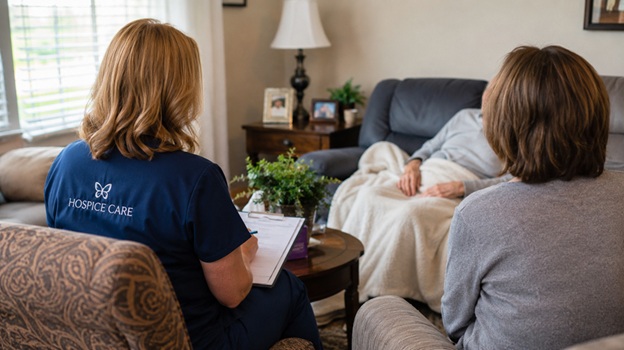
When families begin looking into hospice care in Derby, KS, one of the biggest concerns is often the first visit at home. Many people worry they are unprepared, that they will not know what questions to ask, or that hospice means giving up hope. In reality, the first visit is usually calm, supportive, and focused on helping everyone understand what comes next.
For many families, this visit brings relief. After weeks or months of medical appointments, uncertainty, and emotional stress, having a care team sit down in the home often feels more personal and less overwhelming than another hospital conversation.
Why the First Hospice Visit Feels Emotional for Many Families
The first visit is not just about paperwork or medical equipment. It often marks a shift in how a family views a loved one’s condition.
Some people feel sadness because accepting hospice care can make the situation feel more real. Others feel guilt, especially if they promised a parent or spouse they would “keep fighting.” These emotions are common. Experienced hospice professionals understand that families are processing a lot at once.
What surprises many people is how much time is spent listening.
The hospice team usually wants to understand:
- What daily life currently looks like
- What symptoms are becoming harder to manage
- What worries the family most
- What matters most to the patient emotionally and personally
This conversation helps shape care around the person, not just the diagnosis.
The Home Assessment Often Reveals Challenges Families Have Been Managing Alone
During the first visit, a nurse or hospice representative will usually walk through the home environment. This is not an inspection. It is a practical way to identify safety concerns and daily obstacles.
Families are often so focused on caregiving that they stop noticing how difficult certain routines have become.
A hospice nurse may recognize issues such as:
- A patient struggling to reach the bathroom at night safely
- Increased fall risk from rugs or narrow walkways
- Signs of pain that family members assumed were normal aging
- Caregiver exhaustion that has been quietly building for months
These observations matter because small adjustments can quickly improve comfort and reduce stress at home.

Expect Conversations About Comfort Instead of Cure
One of the biggest adjustments for families is hearing about care in different ways. Hospice care focuses on quality of life, symptom relief, dignity, and emotional support. That can feel unfamiliar after long periods of aggressive treatment or repeated hospital visits.
Hospice teams focus on comfort, dignity, and quality of life during end-of-life care at home. Rather than pursuing curative treatments, the goal becomes helping patients remain as comfortable and supported as possible while respecting their wishes and priorities.
The care team may discuss:
Pain and Symptom Management
The goal is not to heavily sedate someone unnecessarily. Families are often surprised to learn that hospice teams work carefully to balance comfort with alertness whenever possible.
Daily Support Needs
This may include help with bathing, mobility, eating, or medication routines as needs increase.
Emotional and Spiritual Support
Hospice care also addresses fear, anxiety, loneliness, and family stress. Social workers, chaplains, and counselors may become part of the support system depending on the family’s wishes.
Many families later say they wish they had started these conversations earlier because the support reduced tension inside the home almost immediately.
Families Usually Leave the Visit with More Clarity Than They Expected
Before the first visit, many people imagine hospice as a crisis service that arrives only in the final days of life. In reality, hospice teams often help families navigate months of changing needs.
By the end of the visit, families generally have a clearer understanding of:
- Who to call when symptoms change
- What services are available at home
- How medications will be managed
- What signs to watch for as conditions progress
- How caregiving responsibilities can become more manageable
This clarity matters because uncertainty is one of the hardest parts of caregiving. When families do not know what is normal or what to expect next, anxiety tends to grow quickly.
The First Few Days After Enrollment Often Bring Unexpected Relief
One experience many caregivers describe is finally feeling less alone. Before hospice begins, families are often handling everything themselves while trying to coordinate doctors, medications, transportation, meals, and emotional support. The first hospice visit creates a care structure that many households have been missing.
Even simple changes can make a major difference:
- Having a nurse available by phone
- Receiving guidance during symptom changes
- Getting medical equipment delivered to the home
- Knowing someone is monitoring the situation closely
These forms of support reduce panic and help families spend more meaningful time together.
When Patients Resist Hospice at First
It is also common for patients to hesitate during the first visit. Some worry hospice means losing independence. Others fear strangers entering the home or believe accepting help means they are giving up.
In many cases, resistance softens once patients realize hospice is designed to support comfort and personal choice.
Experienced hospice professionals typically move at the patient’s pace. They focus on building trust instead of forcing difficult conversations immediately. That gentle approach often helps patients feel respected rather than controlled.
Questions Families Should Ask During the First Hospice Visit
Families do not need to prepare perfectly, but asking practical questions can help everyone feel more confident afterward.
Helpful questions include:
- What changes should we expect in the coming weeks?
- Who do we contact after hours?
- How often will team members visit?
- What equipment may become necessary later?
- How can we make caregiving safer at home?
- What support exists for family caregivers emotionally?
These discussions help families feel better prepared, rather than constantly reacting to emergencies.
Compassionate Hospice Care Support for Families
The first hospice visit at home is rarely as frightening as families imagine. Most people discover that it is centered on compassion, preparation, and stress reduction during a difficult season of life.
For families exploring hospice care in Derby, KS, having trusted guidance early can make daily caregiving feel less overwhelming and far more manageable. Rivercross Healthcare understands how emotional these first conversations can be and works to help families feel informed, supported, and cared for every step of the way.
If your family is starting to notice increasing care needs at home, it may be time to learn more about available hospice support. Call (877) 291-9690 today to speak with a caring team member and learn how hospice care can help provide comfort, dignity, and peace of mind at home.