
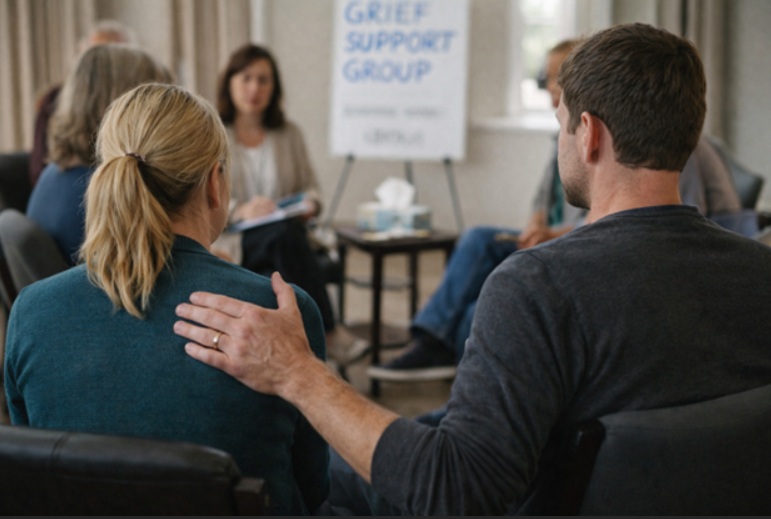
Grief and loss touch everyone at some point but navigating the aftermath can often feel isolating and uncertain. For many families, seeking hospice care in Wichita, KS, provides not only comfort at the end of life but also compassionate support when bereavement leaves a lasting mark. By understanding what help can look like after a loss, we open ourselves to both healing and hope, together.
Emotional Support During Early Stages of Grief
The earliest days following a loss are often clouded with shock and intense emotion. During this period, support must be gentle, attentive, and flexible to a family’s pace. Here’s what effective emotional support can look like:
- Regular, empathetic check-ins by care team members who truly listen without judgment.
- Sharing resources such as local support groups or online communities tailored to unique grief needs.
- Encouragement to express emotions, whether through journaling, conversation, or creative activities.
When families have access to professionals trained in both end-of-life and bereavement care, they’re more likely to feel safe expressing their feelings at their own pace. Compassion forms the heart of this support.
Practical Ways Families Receive Ongoing Grief Assistance
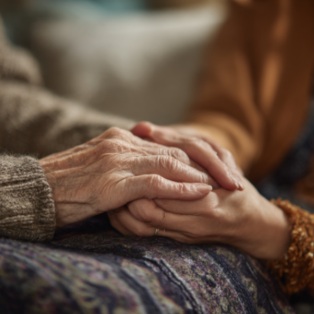
After the immediate shock of a loss, practical support is vital in helping loved ones move forward. Families benefit from:
- Educational materials explaining the stages of grief help make uncertainty feel less overwhelming.
- Counseling referrals to licensed grief counselors are available whenever someone feels ready to seek help.
- Assistance in navigating memorials and celebration of life arrangements, allowing family members to honor their loved ones in a meaningful way.
When families feel seen and supported beyond the initial loss, it eases their transition into a “new normal.” Clear communication, respect for diverse beliefs, and adapting support to each relationship’s circumstances all reinforce dignified, human-centered care.
Building Healing Routines and Finding Community Connections
Long-term healing after a loved one’s death often requires new routines, supportive relationships, and opportunities for remembrance. We believe that recovery is not just about overcoming sadness, but about nurturing meaningful connections for the future. Families can benefit from:
- Invitations to remembrance events or memorial services that provide shared space for healing.
- Resources for rebuilding daily routines in ways that blend self-care and connection.
- Encouragement to participate in peer-led groups where those experiencing loss can share stories, struggles, and moments of hope.
- Access to self-help tools, such as guided meditations or grief journals, that empower individuals to process loss at their own pace.
Grief evolves, and so does the support we offer. By planting seeds of community, we help families honor those they’ve lost while moving forward with confidence and compassion.
Compassionate Care and Guidance for Every Family
No two families grieve in the same way, and every journey after loss is unique. Our goal is to provide understanding, nonjudgmental support that ensures no one walks alone after saying goodbye. With guidance from experienced care professionals and trusted resources, families can navigate both immediate sorrow and long-term adjustment with greater confidence. Compassion is a cornerstone of quality care, and through a blend of emotional, practical, and community support, we strive to walk with you every step of the way.
If you are searching for hospice care in Wichita, KS, and want to explore what meaningful bereavement support can look like for your family, contact Rivercross Healthcare to discover how we can help you move forward with compassion, guidance, and understanding. Call (877) 291-9690.