

Families exploring hospice care in Winfield, KS, are often surprised by how much hospice nurses do beyond managing medications. Their role extends to nearly every aspect of daily life at home, helping patients stay comfortable while guiding families through moments that can feel emotionally and physically exhausting.
For many caregivers, hospice nurses become the steady presence they rely on most. They answer difficult questions honestly, recognize changes families may miss, and help reduce fear during a stressful stage of illness.
Hospice Nurses Often Notice Problems Before They Become Crises
One of the most valuable parts of hospice nursing is early intervention.
Families caring for someone with a serious illness are usually focused on immediate needs like meals, medications, or helping a loved one move safely through the house. Subtle warning signs can easily go unnoticed.
An experienced hospice nurse may recognize:
- Increased confusion linked to medication changes or declining oxygen levels
- Small breathing changes that suggest symptoms are worsening
- Early skin breakdown from limited mobility
- Growing exhaustion in a spouse or adult child caregiver
Addressing these issues early can prevent unnecessary emergency room visits and reduce suffering at home.
This proactive approach is one reason many families later say they wish they had started hospice support sooner.
Managing Pain Without Taking Away Meaningful Moments
One concern families frequently share is fear that pain medication will make their loved one overly sleepy or disconnected.
Hospice nurses spend a great deal of time helping families understand how comfort care actually works. The goal is not simply sedation. It is helping patients remain as comfortable and engaged as possible.
Hospice nurses play an important role in helping patients remain comfortable and supported during end-of-life care at home. That balance often requires careful monitoring and ongoing adjustments based on changing needs.
A nurse may adjust medication schedules, suggest positioning changes, or identify triggers that increase discomfort at certain times of day. Even small changes can help someone rest better, breathe easier, or participate more comfortably in conversations with family.
Families often feel relieved once they realize comfort-focused care can still preserve meaningful interaction and connection.
Helping Families Understand What Physical Changes Mean
Serious illness brings changes that can feel frightening if families are unprepared.
A loved one may sleep more, eat less, withdraw socially, or become weaker over time. Without guidance, families often assume every change signals an immediate crisis.
Hospice nurses help explain what is common, what requires attention, and what families can expect next. This education reduces panic and helps caregivers respond more calmly.
For example, many families become distressed when appetite declines. Hospice nurses often explain that forcing food during advanced illness can create more discomfort than it improves strength. These conversations help families focus on comfort rather than feeling pressured to fix every symptom.
Emotional Support Matters Just as Much as Physical Care
The emotional side of caregiving is frequently underestimated.
Family caregivers often carry layers of stress that build quietly over time:
- Sleep deprivation
- Anxiety about making mistakes
- Guilt over frustration or exhaustion
- Fear of losing their loved one
- Isolation from normal routines and relationships
Hospice nurses regularly provide reassurance during these moments. Sometimes families need someone experienced to say, “What you’re feeling is normal.”
That support can ease emotional pressure inside the home and help caregivers feel less alone.
Patients also benefit emotionally. Many people living with serious illness worry about becoming a burden on family members. Hospice nurses often help restore dignity by involving patients in decisions whenever possible and respecting their personal wishes.
Small Comfort Measures Often Make the Biggest Difference
Families sometimes expect hospice care to revolve around medical equipment or medications alone. In reality, comfort is often improved through smaller day-to-day adjustments.
Positioning Changes to Reduce Pain and Pressure
A different pillow arrangement or a different bed position can significantly improve breathing, reduce pressure points, and minimize discomfort throughout the day.
Adjusting Daily Routines Around Energy Levels
Some patients feel strongest at certain times of day. Hospice nurses often help families schedule bathing, visitors, meals, or activities around those periods to conserve energy and reduce stress.
Creating a Calmer Home Environment
Lower noise levels, softer lighting, and reducing unnecessary interruptions can help patients feel more settled and less overwhelmed.
These details may seem simple, but they often improve quality of life in meaningful ways.
Why Families Often Feel More Confident After Hospice Begins
Before hospice support starts, many families feel like they are managing serious illness completely on their own. Every symptom change can feel urgent and uncertain.
Having a hospice nurse involved creates structure and reassurance.
Families know:
- Who to call when symptoms change
- How to respond during difficult moments
- What signs require immediate attention
- How to make caregiving safer and more manageable
This guidance allows families to spend less time panicking and more time focusing on meaningful moments together.
Hospice Nurses Help Protect Caregiver Health Too
Many caregivers push themselves beyond healthy limits long before asking for help.
It is common for spouses or adult children to ignore their own sleep, nutrition, medical appointments, and emotional needs while caring for someone else full-time. Over time, that level of stress can lead to burnout, illness, depression, or injury.
Hospice nurses often recognize caregiver strain early. They encourage rest, provide practical strategies, and connect families with additional support resources when needed.
Supporting the caregiver is not separate from patient care. It is a necessary part of maintaining a stable, compassionate home environment.
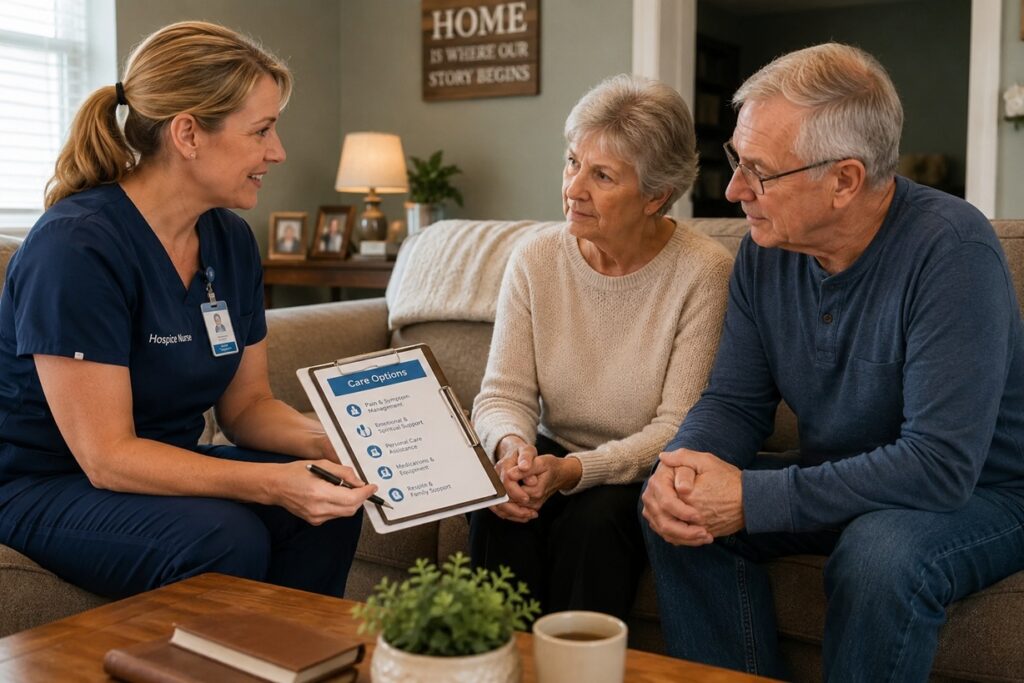
Compassionate Hospice Nursing Support for Families
Hospice nursing is about more than symptom management. It is about helping families navigate one of life’s hardest seasons with greater clarity, dignity, and support.
For families considering hospice care in Winfield, KS, having experienced nurses involved at home can ease fear, reduce unnecessary stress, and improve comfort for everyone involved. Rivercross Healthcare understands that compassionate care is built through trust, honest communication, and consistent support during moments that matter most.
If your family has started noticing increased care needs at home, it may be time to learn more about available hospice support. You can also explore our in-home hospice support services to learn how comfort-focused care can help patients remain supported at home.
Call (877) 291-9690 today to learn how hospice nursing support can provide comfort, guidance, and peace of mind for your loved one and family.